Mandatory Annual Sustainability Training for Staff at Termez State University
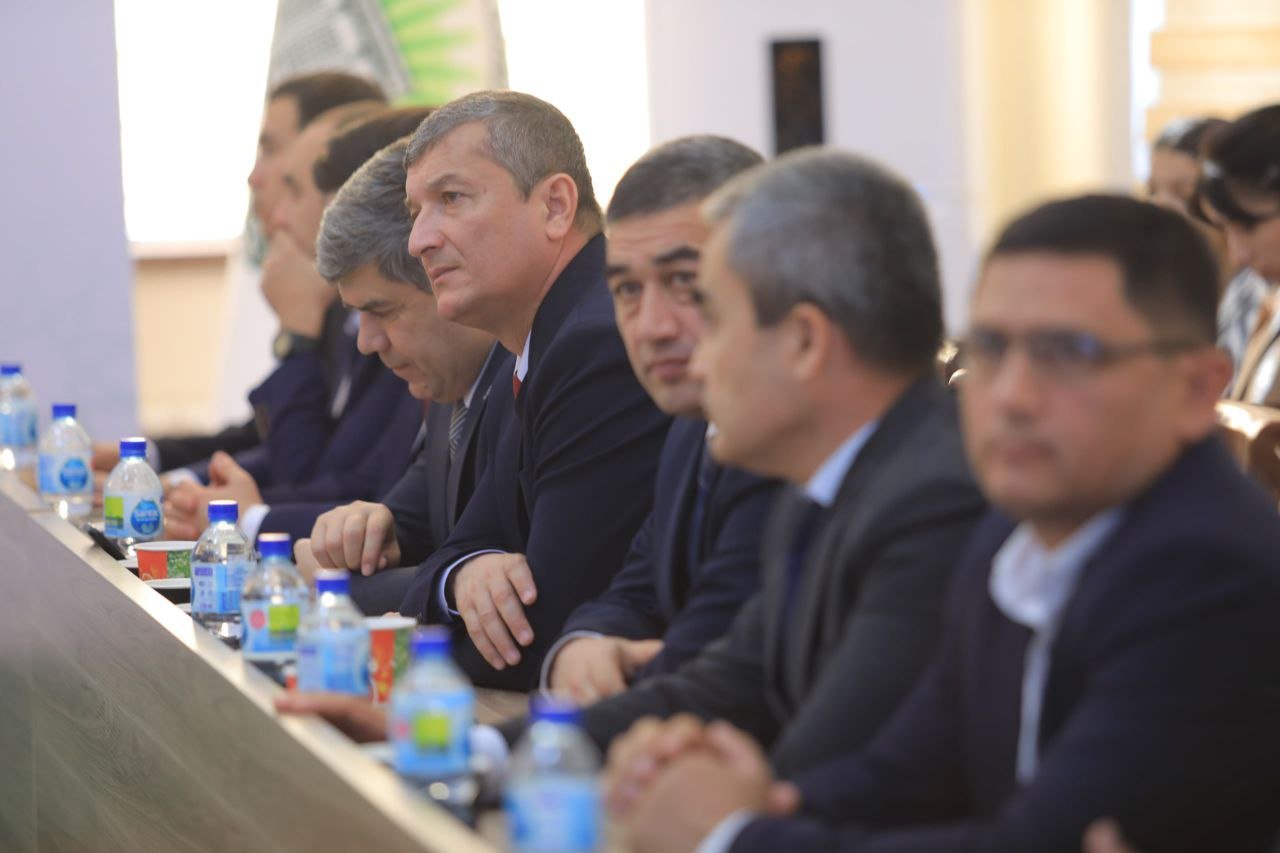
Termez State University ensures the continuous development of its academic and professional staff through a mandatory annual training program on environmental and social aspects of sustainability. This initiative is institution-wide and consistently engages over 90% of staff members each year, demonstrating a high level of participation and institutional commitment.
The program includes more than 10 structured seminars annually, with a cumulative learning volume of over 20 hours per participant. Trainings are aligned with internationally recognized frameworks, particularly the Sustainable Development Goals (SDGs) and Environmental, Social, and Governance (ESG) principles.
Environmental Dimension
The environmental component focuses on building practical competencies and awareness in:
1) Green energy systems and renewable energy transition;
2) Climate change mitigation and sustainable resource management;
3) Waste reduction and circular economy approaches:
4) Sustainable campus development and environmental responsibility
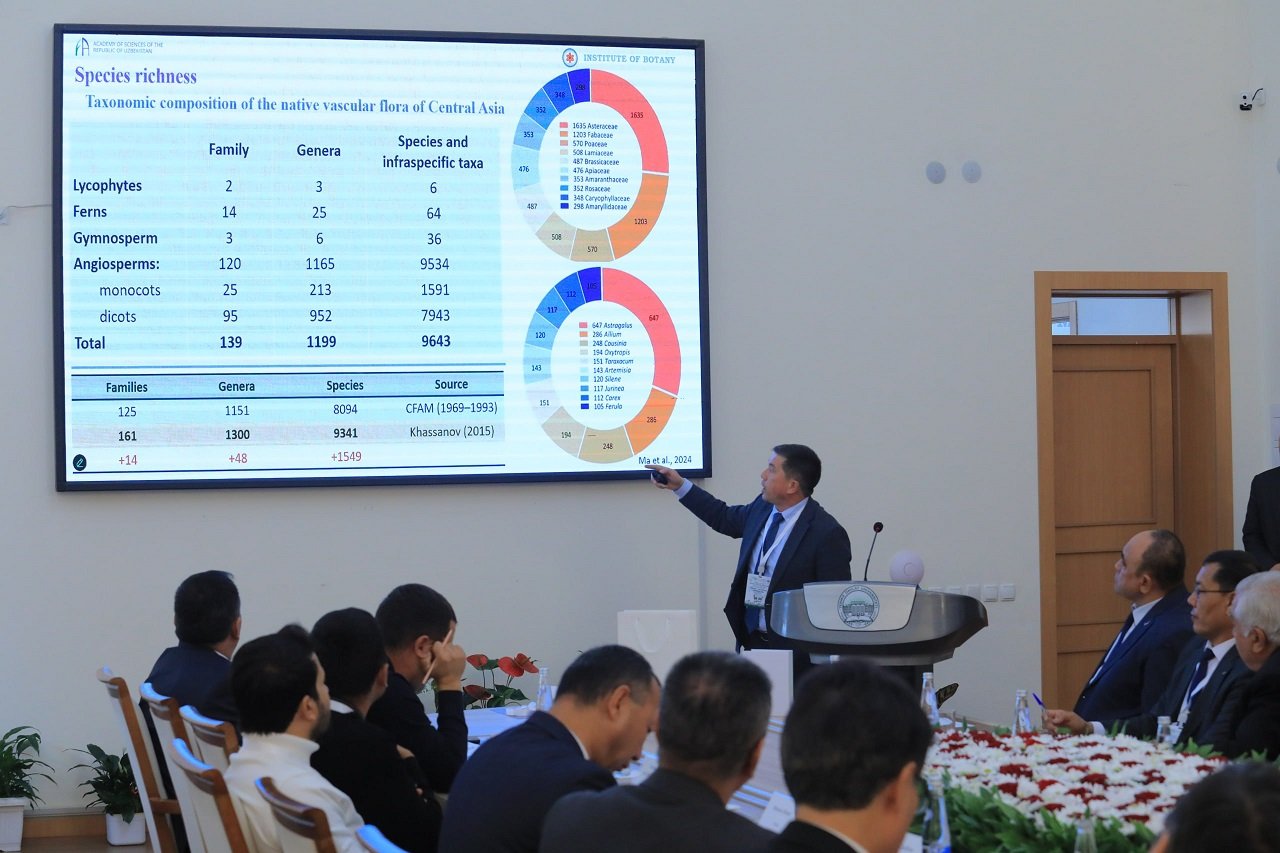
A notable example includes the scientific training titled “Barqarorlik va energiya kelajagi: ilm-fan va sanoat o‘rtasidagi ko‘prik”, delivered by international academic coordinator, Professor Ozoda Yuldasheva (Malaysia–Singapore–Japan collaboration). The session highlighted Singapore’s experience in green energy systems and the implementation of sustainable technologies.
Social Dimension
The social aspect of sustainability is addressed through inclusive and equitable educational environments, ethical leadership and governance practices and community engagement and societal responsibility.
In this context, training such as “Yashil iqtisodiyot va muqobil energetika — bugunning eng muhim talabi”, delivered by Rector Professor Abduqodir Toshqulov (PhD in Economics), emphasize the socio-economic dimensions of sustainability and responsible development.
Delivery and Impact
Trainings are conducted both on campus and in natural settings, combining theoretical knowledge with experiential learning. Sessions are led by national and international experts, ensuring exposure to global best practices.
The program also incorporates a pedagogical component, guiding staff on how to integrate sustainability principles into teaching, research, and student engagement.
Participation is formally recognized through certification ceremonies.