At Termez State University, sustainability literacy is systematically embedded within the educational process and continuously assessed through integrated digital systems and academic practices. The university has developed a comprehensive approach that evaluates not only students’ knowledge, but also their engagement with environmental and social responsibility in real-life contexts.
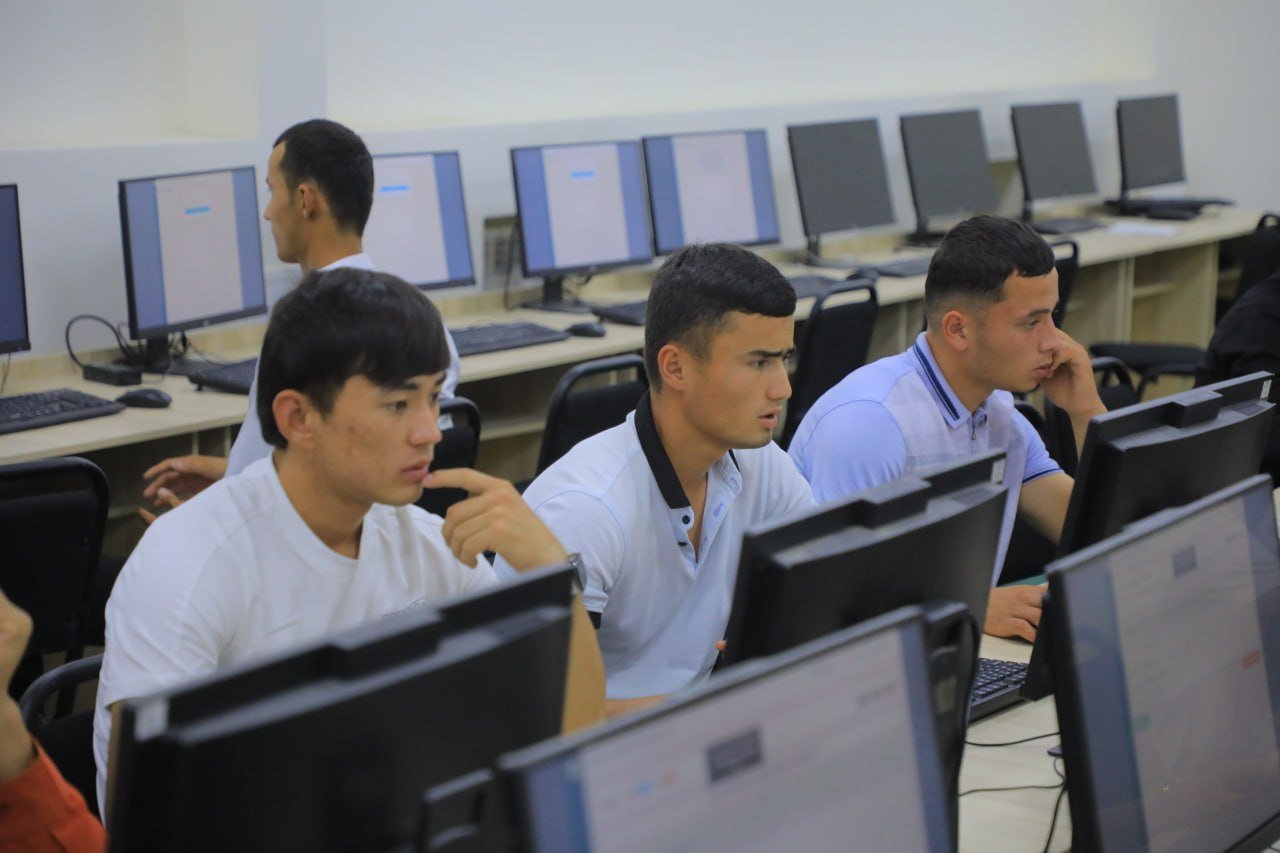
A central role in this process is played by the university’s academic management system, HEMIS, which enables continuous monitoring of learning outcomes. Through this platform, sustainability-related competencies are assessed via independent assignments, project-based learning, and automated testing. Today, over 95% of students are regularly assessed through this system, ensuring broad and consistent coverage across all faculties.
Sustainability is not treated as a separate subject but is deeply integrated into the curriculum. In 2024, the university offered 1,375 courses, of which 475 courses (over one-third) include sustainability-related content aligned with the Sustainable Development Goals (SDGs). These courses cover a wide spectrum of topics, including environmental protection, climate change adaptation, biodiversity conservation, water resource management, renewable energy, sustainable agriculture, public health, economic development, and social inclusion.
Disciplines such as microbiology, biotechnology, food safety, and agricultural sciences contribute to food security and sustainable agriculture (SDG 2), while courses in environmental science, soil protection, and ecological monitoring address climate action and ecosystem preservation (SDG 13 and SDG 15). Engineering and physics-related subjects, including renewable energy technologies and semiconductor physics, support the transition toward affordable and clean energy (SDG 7). At the same time, courses in physical education and health sciences promote wellbeing and inclusive participation (SDG 3).
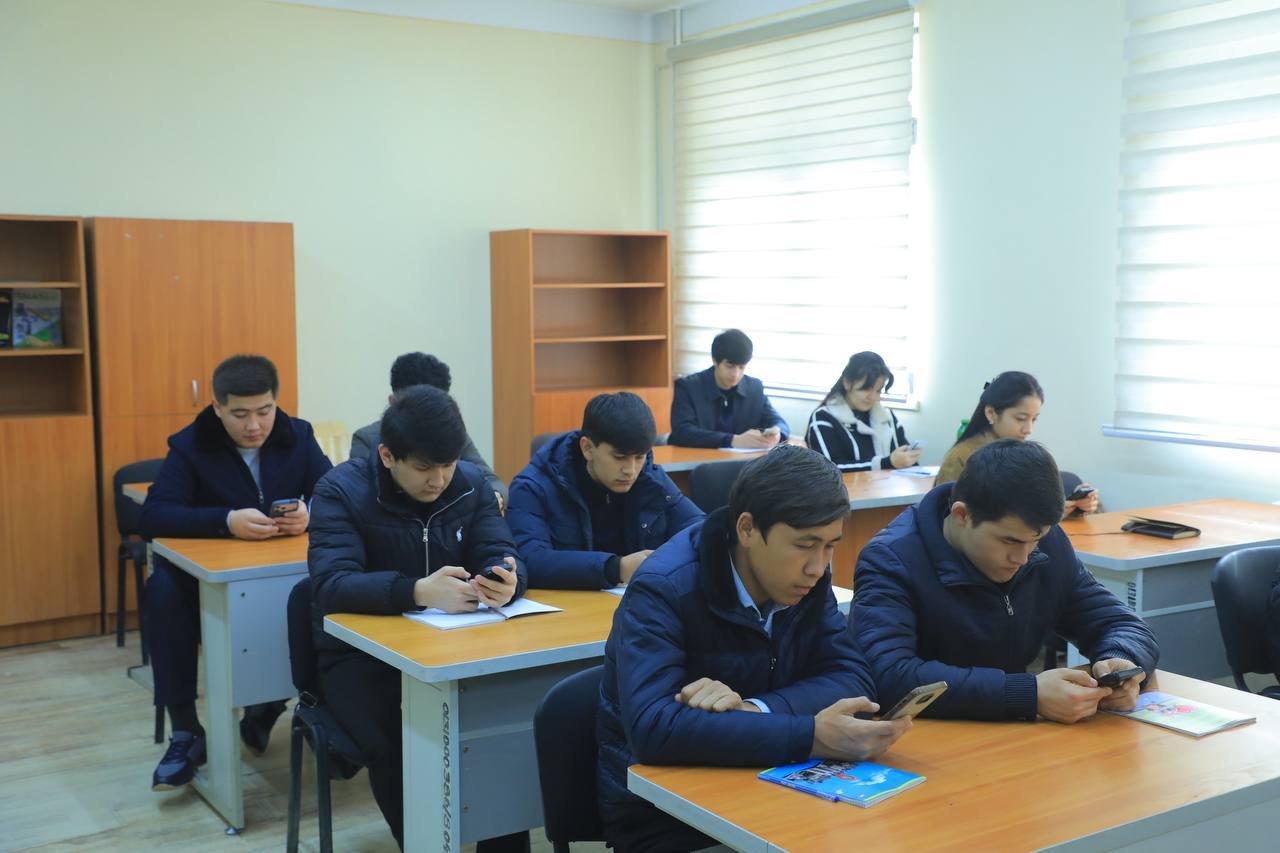
In addition to academic assessment, the university operates a dedicated digital platform that evaluates students’ broader development. This includes participation in volunteering, community service, student clubs, healthy lifestyle initiatives, and achievements in academic and extracurricular competitions. These indicators reflect the practical application of sustainability values beyond the classroom.
Furthermore, general university-wide courses such as Ecology and Environmental Protection and Environmental Protection and Green Development are delivered across all study programs, ensuring that every student is exposed to core sustainability principles regardless of their field of study.
Through this integrated system—combining curriculum-based assessment, digital monitoring, and co-curricular evaluation—Termez State University ensures that sustainability literacy is not only taught, but also actively measured, reinforced, and translated into meaningful action across the entire student body.