Comprehensive Financial and Social Support for Students from Low-Income Households
Termiz State University implements a comprehensive institutional support programme designed to ensure that students from low-income households can pursue and complete their higher education without being constrained by financial hardship. The programme prioritises students from the lowest 20% of the national household income distribution, providing an integrated system of financial assistance, free accommodation, food support, transportation subsidies and tuition fee coverage. These measures reflect the university's commitment to educational equity, social inclusion and the prevention of poverty-related academic withdrawal.
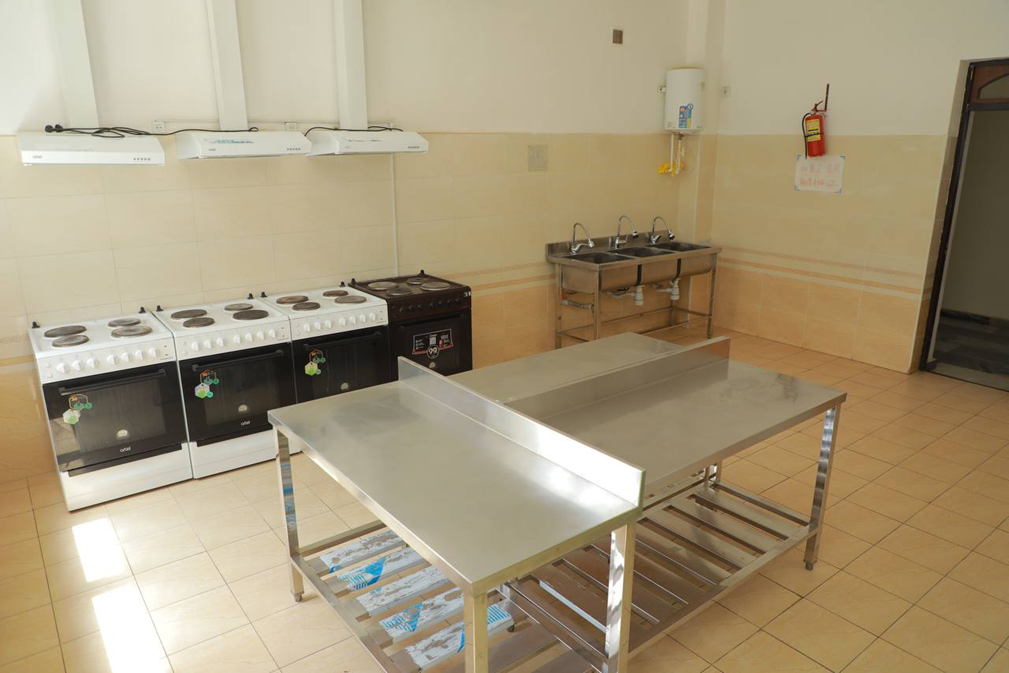
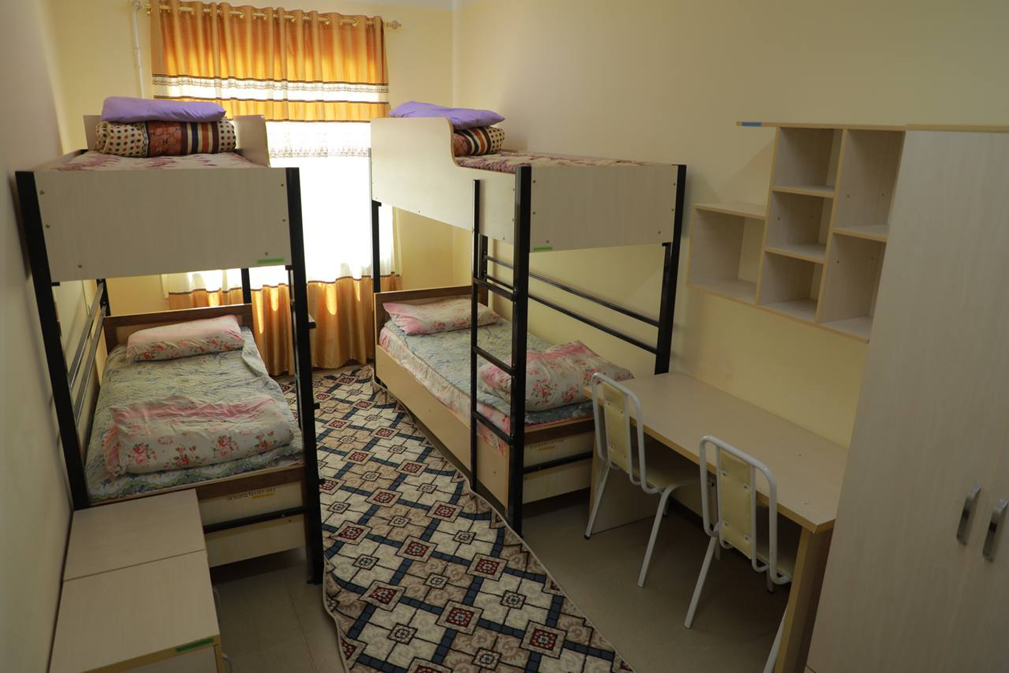
A central component of this framework is the full exemption from tuition contract fees for eligible students throughout their degree programmes. By eliminating one of the most substantial financial barriers to higher education, the university enables economically disadvantaged students to maintain continuous enrolment and concentrate on their academic development. This commitment is reinforced by the provision of free accommodation in university dormitories, relieving beneficiaries of housing expenses that could otherwise compromise their ability to continue studying. The university maintains seven student residences with a combined accommodation capacity of 3,814 places, providing an established infrastructure for residential student support.
Financial assistance extends beyond tuition and housing to address students' everyday living requirements. Eligible students receive a monthly scholarship equivalent to the statutory minimum wage, providing a regular source of financial security throughout their studies. Targeted food assistance and transportation expense coverage further reduce the financial pressures associated with university attendance. These complementary forms of support enable students to meet essential living needs, participate consistently in academic activities and maintain stable conditions for successful degree completion.
The university allocates approximately UZS 3.7 billion annually to financial and social assistance for students from economically disadvantaged households. Expenditure on these support measures increased by approximately 40% compared with the preceding year, reflecting the expansion of institutional resources dedicated to supporting vulnerable students. The number of students receiving support within the targeted low-income group also increased by 30%, demonstrating the growing reach of the university's inclusive student welfare arrangements.
The effectiveness of this commitment is reflected in the university's graduation outcomes. During the 2024/2025 academic year, Termiz State University recorded 4,378 graduates, of whom approximately 10% (438 students) belonged to households within the lowest 20% of the national income distribution. Their successful completion of higher education demonstrates the importance of sustained financial assistance in improving educational opportunities for students experiencing socioeconomic disadvantage.
Rather than treating financial assistance as an isolated intervention, Termiz State University integrates tuition coverage, housing provision, monthly scholarships and essential living-cost assistance into a coordinated student support framework. This approach addresses multiple dimensions of financial vulnerability, strengthens academic retention and reduces the risk of students abandoning their studies for economic reasons. By sustaining these measures throughout the educational cycle, the university advances equitable access to degree completion, enhances opportunities for socioeconomic mobility and