Termez State University implements a comprehensive community engagement framework aimed at improving access to essential services and strengthening the well-being of residents throughout Surkhandarya Region. The university integrates its academic expertise, healthcare partnerships, public education programmes and community outreach initiatives to address barriers affecting access to healthcare, sanitation, essential resources and opportunities for socioeconomic participation. Particular attention is directed towards economically disadvantaged households, young people, rural communities and individuals experiencing social vulnerability, ensuring that institutional resources contribute to improving living conditions beyond the university campus.
A significant advancement in community healthcare accessibility was achieved in April 2025 through the establishment of a modern teaching and diagnostic laboratory centre in cooperation with Turk-Lab-Med LLC and the Termez branch of Tashkent Medical Academy. The initiative forms part of a broader Uzbekistan–Türkiye healthcare partnership supported by approximately US$1.5 million in foreign investment. Equipped with modern laboratory technologies, the centre strengthens regional diagnostic capabilities through microbiological investigations, microbial identification, culture-based examinations and immunoassay testing. Integrating specialised healthcare services with university-based scientific expertise contributes to the development of local diagnostic infrastructure and strengthens the availability of laboratory services within the regional healthcare system.
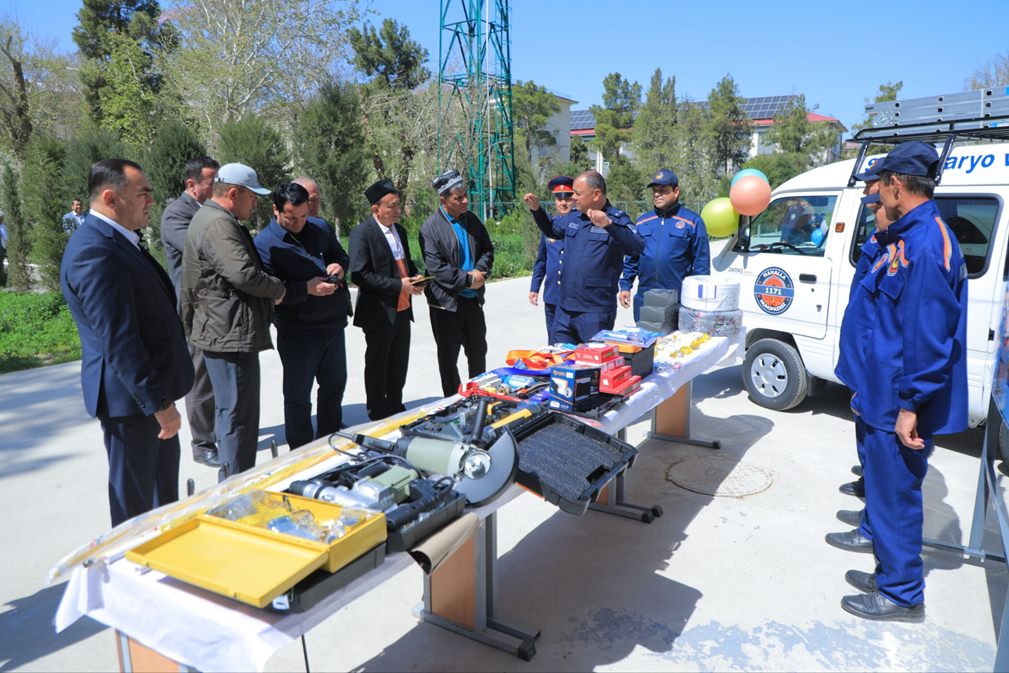
The university's contribution to accessible healthcare is reinforced by its established first-aid and preventive health infrastructure. During 2025, the university's emergency medical assistance service provided first aid to 3,298 individuals, including students, employees, teaching staff and university applicants. Medical assistance was organised during educational activities, admissions examinations, sporting events and university programmes, supporting timely intervention and healthcare accessibility for participants. The university also maintains institutional cooperation with regional healthcare and sanitary-epidemiological authorities, facilitating preventive health education, hygiene monitoring and awareness of disease prevention.
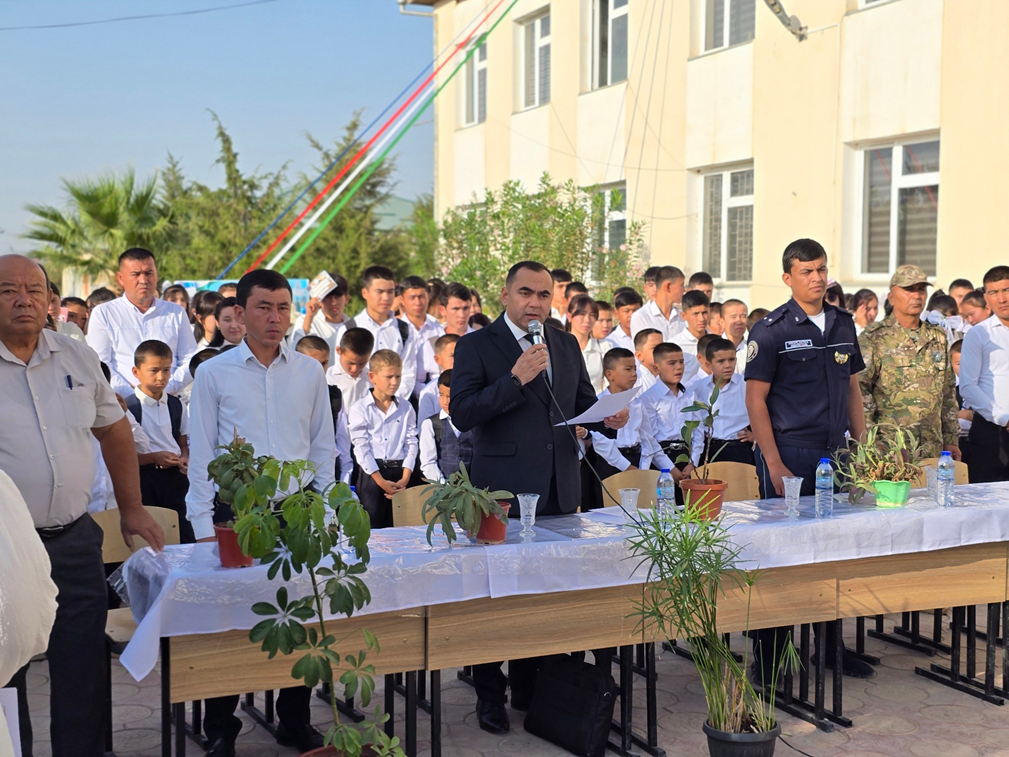
Access to clean water, sanitation and responsible resource management represents another important dimension of the university's community-oriented activities. Through its Geography and Ecology programmes and sustainability research initiatives, Termez State University organises educational activities that strengthen public understanding of water conservation, environmental hygiene and the protection of essential water resources. The university's Suv - hayot manbai (Water Is the Source of Life) initiative incorporates seminars, public lectures and practical awareness activities addressing household water conservation, responsible agricultural water use and the prevention of water pollution. These activities extend to schools, neighbourhoods and rural communities, helping residents develop practical knowledge relevant to the sustainable management of essential household and community resources.
Community sanitation initiatives complement the university's educational outreach. During 2025, university students, staff and volunteer groups participated in environmental improvement and waste-removal activities in Termez and surrounding neighbourhoods. These activities included the collection of improperly discarded waste, improvement of shared public spaces and awareness-raising on responsible waste management. Through direct participation in community environmental activities, the university contributes to cleaner public surroundings and encourages collective responsibility for maintaining healthy residential environments.
Termiz State University also works to reduce informational and educational barriers that can limit residents' ability to use public services and participate in community development. On 20 June 2025, the university opened free foreign-language courses for school pupils and other interested community members, providing instruction in five languages: English, Turkish, French, German and Russian. Classes were scheduled across six days each week, creating opportunities for residents outside formal university programmes to strengthen communication skills and access educational resources without tuition charges. These activities complement essential-service initiatives by improving the skills residents need to engage with institutions and wider educational opportunities.
The university's community engagement expanded through participation in the Summer Professions Centre, launched in June 2025. University instructors contributed practical training in applied arts, while the wider centre offered opportunities to develop skills in information technology, sewing, cookery, design and robotics. These activities were intended to improve access to practical learning and strengthen opportunities for employment and economic independence, particularly among young people.
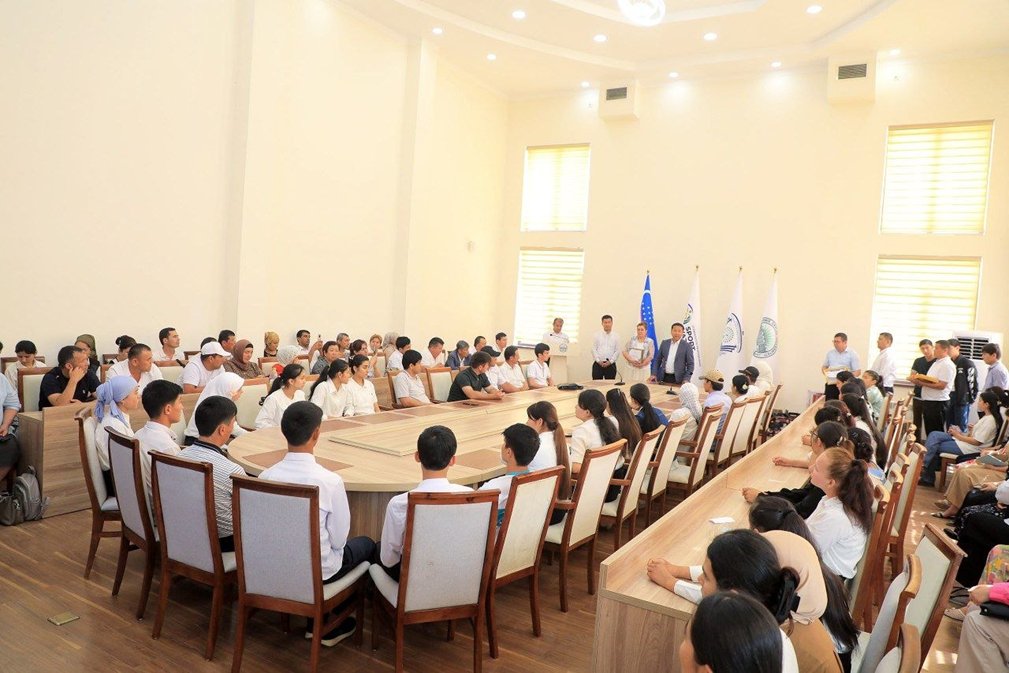
An additional example of community service guidance was implemented on 24 June 2025, when the university's Faculty of Natural Sciences organised an educational outreach event and employment fair for graduating pupils from 43 general education schools in Bandixon District. Conducted in cooperation with district authorities, including education, employment and poverty-reduction representatives, the programme provided direct information on higher education opportunities, admission procedures and available fields of study. Participants received individual guidance intended to improve their ability to navigate educational opportunities and make informed decisions about further study and employment.
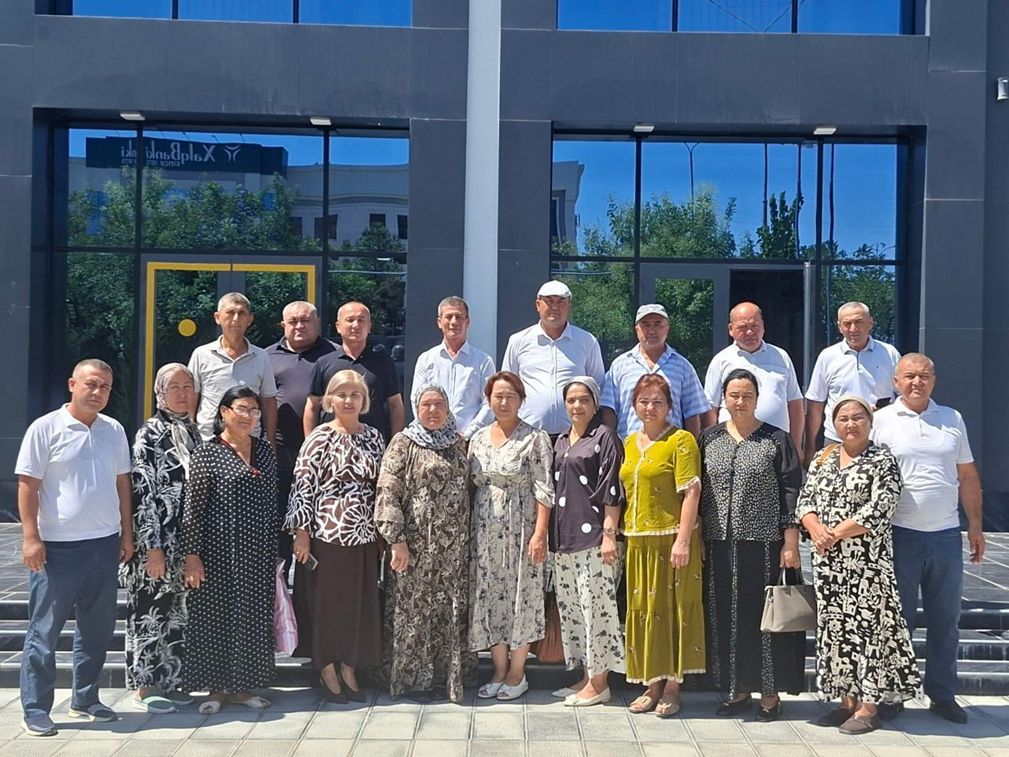
These initiatives are supported by the university's continuing institutional engagement with local government bodies, healthcare providers, educational institutions and community organisations. The combination of diagnostic healthcare partnerships, first-aid services, water-resource education, neighbourhood sanitation activities and public training creates multiple channels through which university expertise and facilities contribute to community welfare.
Termiz State University's approach recognises that improving access to essential services requires both practical service provision and the knowledge necessary for individuals to use available resources effectively. By connecting scientific expertise with community needs, strengthening local healthcare capacity and promoting responsible management of environmental resources, the university contributes to more inclusive and resilient living conditions.
Through its sustained community programmes and institutional partnerships, Termez State University advances Sustainable Development Goal 1: No Poverty by supporting improved access to healthcare, environmental sanitation and essential community resources. These initiatives reinforce the university's role as a regional centre of knowledge, public service and social development, contributing to the reduction of inequalities in access to services and the improvement of community well-being.