Termiz State University implements an integrated institutional support programme designed to facilitate the successful completion of higher education among students from the lowest 20% of the national household income distribution. The programme prioritises students facing multiple forms of socioeconomic disadvantage, including students with disabilities, orphans and individuals from households requiring additional social protection. Through coordinated financial, academic, healthcare and accessibility initiatives, the university seeks to eliminate barriers that could prevent economically disadvantaged students from completing their degree programmes.
A fundamental component of this framework is the provision of comprehensive financial assistance throughout the entire period of study. Eligible students benefit from full coverage of tuition contract fees, free university dormitory accommodation and monthly scholarships equivalent to the statutory minimum wage. These arrangements are complemented by food assistance, transportation subsidies and healthcare-related support, ensuring that students can meet essential educational and living expenses without compromising their academic participation. The continuity of these provisions across successive academic years establishes a stable foundation for academic progression and reduces the likelihood of financial hardship leading to withdrawal.
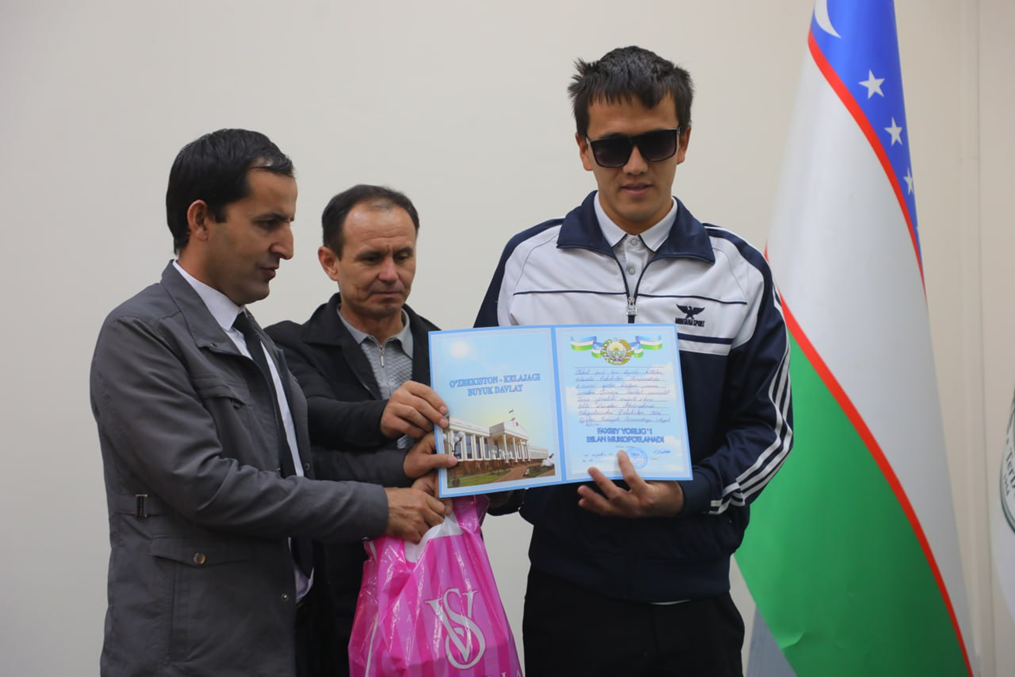
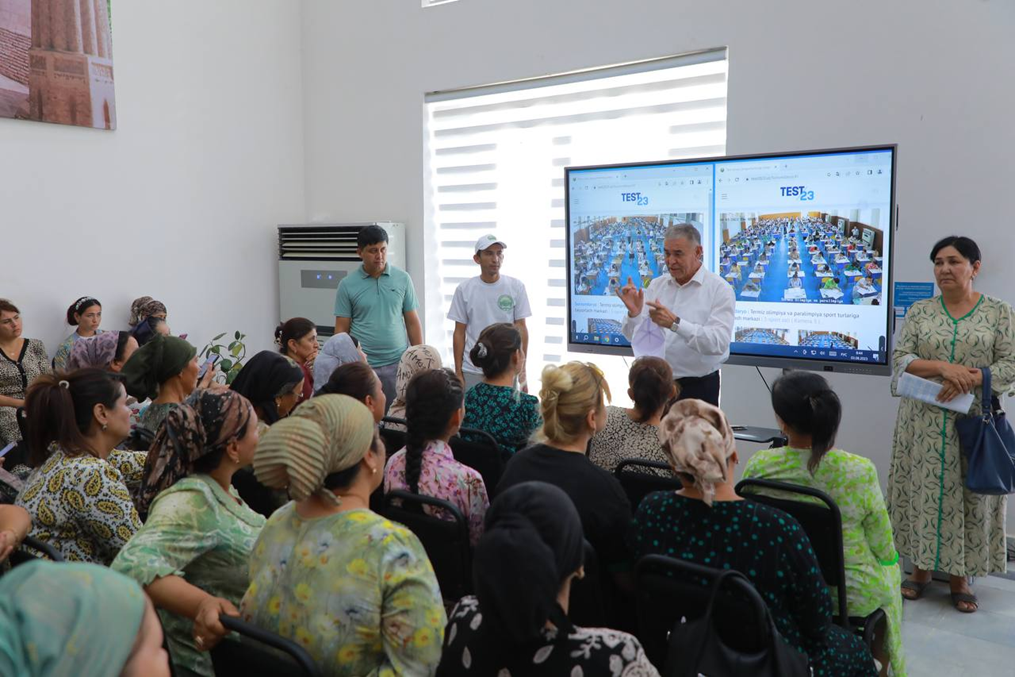
Students with disabilities receive particular attention through dedicated academic facilities, adapted learning environments and individualised educational support. The university maintains specially equipped classrooms, accessible teaching facilities and designated examination halls to accommodate students with different physical and educational requirements. Examination procedures are adapted to students' individual needs, with additional assistance and appropriate accommodations provided to ensure equitable participation in academic assessments. These arrangements are intended to enable students with disabilities to demonstrate their academic capabilities without encountering unnecessary physical or procedural barriers.
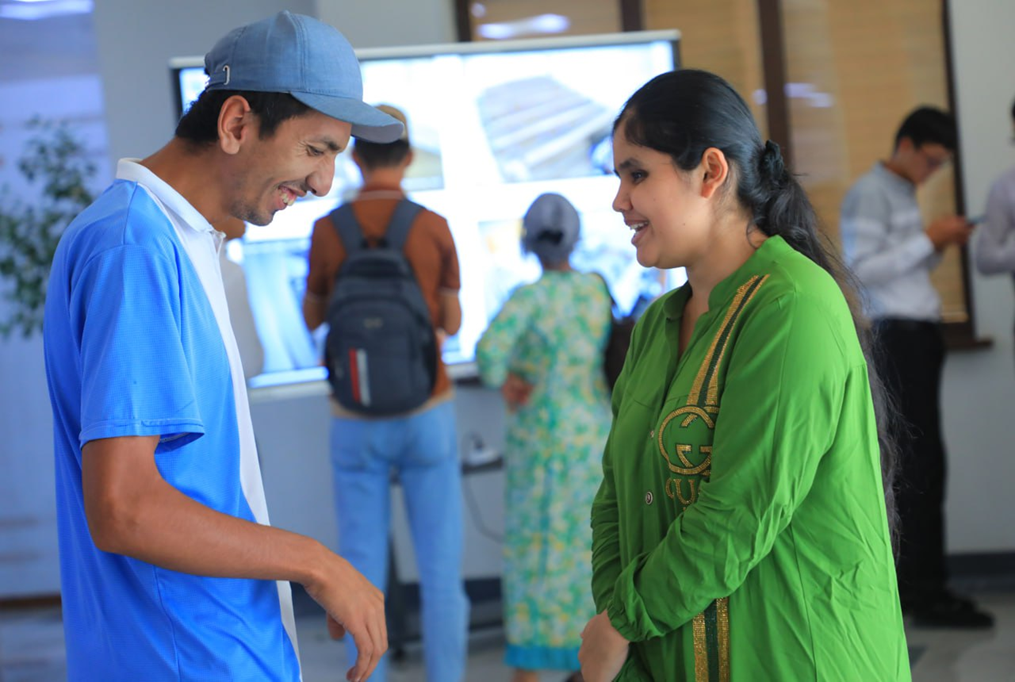
During the reporting period, 300 students with disabilities benefited from the university's inclusive education and support arrangements. The institution's accessibility infrastructure includes 23 academic, administrative, residential and other facilities equipped with accessible entrances and adapted sanitary facilities, alongside designated accessible parking at 17 locations. Students requiring additional assistance benefit from accessible accommodation arrangements and dedicated support throughout their academic activities. For students experiencing both disability-related barriers and household poverty, these provisions complement the university's targeted financial assistance programme, addressing the cumulative challenges that can affect degree completion.
The university reinforces these measures through a comprehensive welfare framework encompassing healthcare services, tuition contract coverage, accommodation, nutrition, transportation and other forms of individual assistance. Approximately UZS 2.9 billion is allocated annually to these integrated student support initiatives, reflecting the university's institutional investment in the educational continuity and well-being of economically vulnerable students and those requiring additional assistance. The programme combines direct financial support with educational accommodations and essential services, addressing both the immediate costs of university attendance and the broader circumstances influencing students' ability to complete their studies.
The reach of the university's low-income support arrangements has continued to expand. The number of students within the designated economically disadvantaged group increased by 30% compared with the preceding year, accompanied by an approximately 40% increase in expenditure on targeted financial assistance measures. These developments reflect the growing scope of institutional interventions aimed at strengthening student retention, improving accessibility and extending support to individuals facing heightened risks of educational exclusion.
The university's commitment to successful degree completion is reflected in its graduation outcomes. During the 2024/2025 academic year, 4,378 students completed their degree programmes, with approximately 10%, equivalent to 438 graduates, belonging to households within the lowest 20% of the national income distribution. Their educational attainment demonstrates the role of sustained institutional assistance in enabling economically disadvantaged students to progress through higher education and obtain recognised qualifications.
Termiz State University's approach extends beyond conventional financial aid by establishing an interconnected system of academic, social, financial and accessibility support. Dedicated classrooms, adapted examination facilities, individualised assessment procedures, free accommodation, healthcare assistance and sustained tuition coverage collectively create an educational environment in which students can pursue their qualifications regardless of financial circumstances or disability-related barriers. This institutional framework recognises that meaningful educational inclusion requires sustained interventions throughout the student lifecycle, from enrolment and academic progression to the successful completion of university studies.
By maintaining these comprehensive support programmes, Termiz State University contributes to Sustainable Development Goal 1: No Poverty, strengthening educational equity, reducing socioeconomic inequalities and expanding opportunities for upward social mobility. The university's commitment to supporting low-income students, particularly those experiencing additional accessibility challenges, demonstrates its determination to ensure that economic vulnerability does not prevent students from achieving their academic and professional aspirations.