Termiz State University maintains a comprehensive institutional mentoring framework designed to strengthen female students' academic achievement, scientific participation, leadership capabilities and professional development. Through structured mentor–mentee relationships, faculty-based guidance, peer mentoring and targeted development programmes, the university provides opportunities for women to acquire the knowledge, confidence and professional networks necessary for successful participation in higher education and subsequent career advancement.
The university's women's mentoring framework operates through the Women's Advisory Council, academic departments, faculty representatives and dedicated student development initiatives. Experienced professors, researchers, professional women and accomplished students serve as mentors, providing individual and group-based guidance in academic research, career planning, personal development and leadership. Mentoring relationships are organised around students' educational and professional interests, enabling participants to receive relevant advice while strengthening their engagement with the university's academic community.
The university's established mentoring activities have reached approximately 5,500 participants, with female students and employees accounting for 65% of the reported participation. This broad institutional engagement demonstrates the scale of women's involvement in mentoring and professional development activities. The programmes encompass three interconnected areas: academic and scientific development, career preparation and professional networking, and personal growth and leadership.
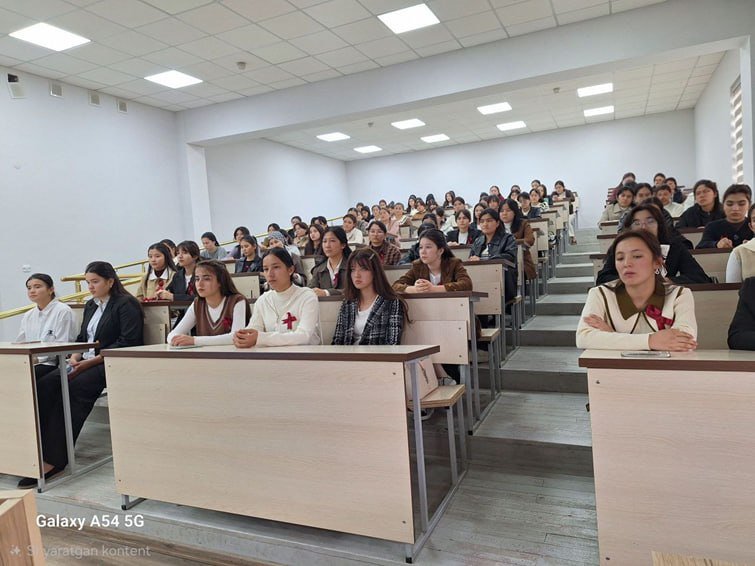
Academic mentoring encourages female students to participate in scientific research, develop independent analytical capabilities and strengthen their engagement with scholarly activities. Experienced academic staff provide guidance on research methodologies, scientific projects, conference participation and academic communication. On 13 November 2025, the university organised a dedicated scientific writing workshop for female students, delivered with the participation of research specialist Mirqosim Tilovov. The programme addressed the structure of scientific articles, academic writing standards and appropriate journal selection, providing participants with practical skills essential for research development and postgraduate academic progression.
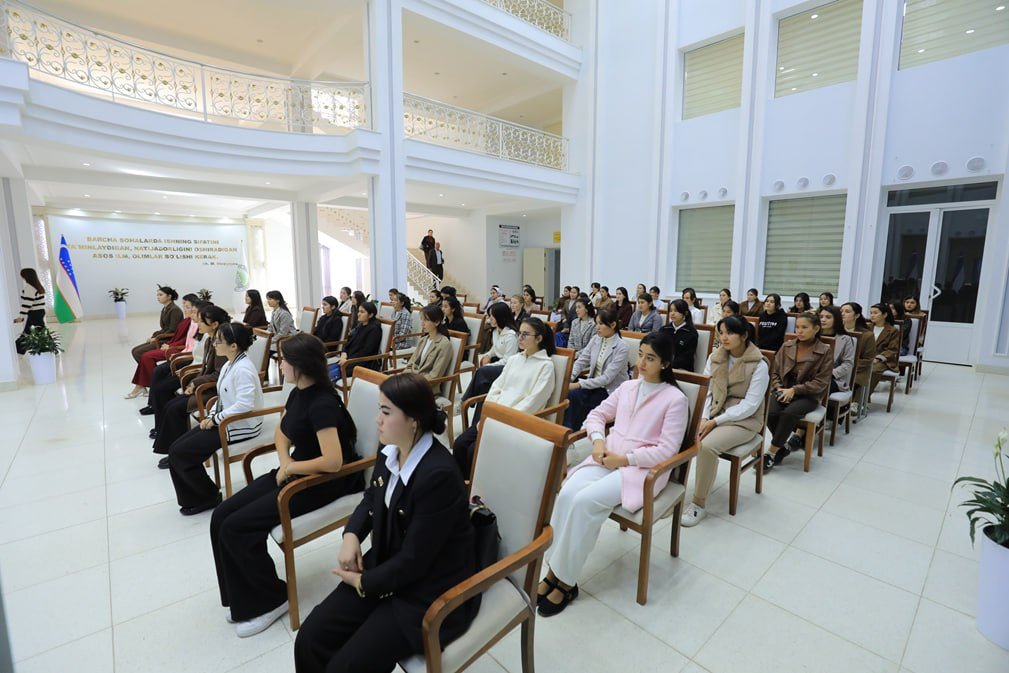
Leadership mentoring constitutes a central component of the university's commitment to women's empowerment. On 7 February 2025, the Women's Advisory Council organised a professional development meeting entitled Building the Image of a Woman Leader. The programme connected female students with experienced women leaders, including veteran educator Sh. Oripova and O. Kucharova, Chair of the Women's Council of the Surkhandarya Regional National Guard Directorate. Discussions addressed women's participation in leadership, professional identity, decision-making and strategies for career advancement. Direct engagement with accomplished professionals enabled participants to explore leadership pathways and strengthen their aspirations for future managerial and public-service responsibilities.
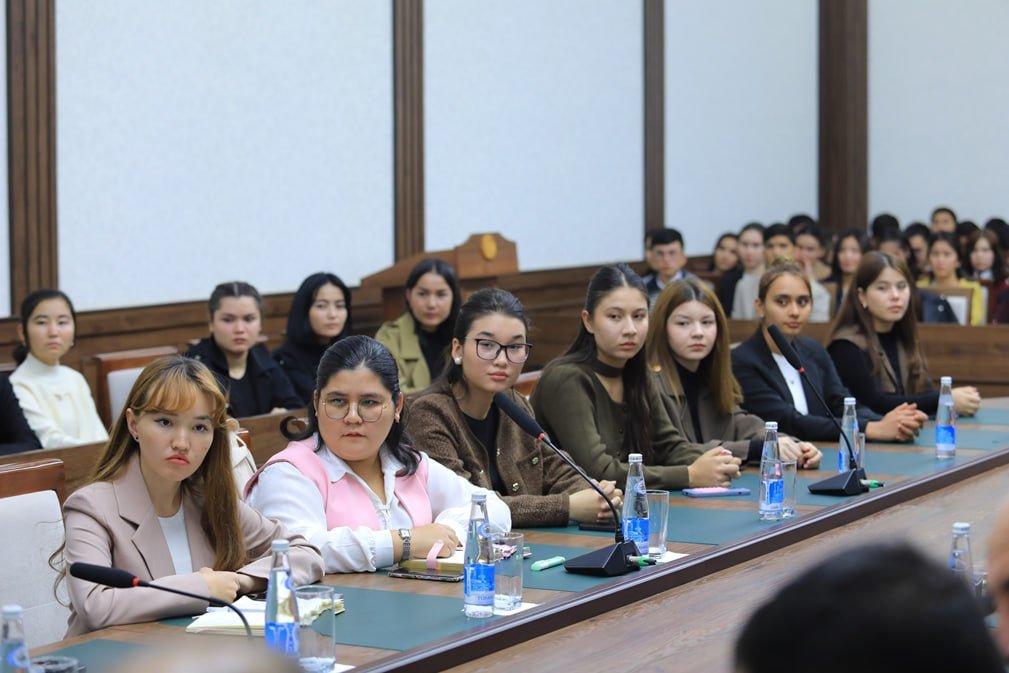
The university's mentoring initiatives also promote female entrepreneurship, economic independence and career readiness. On 6 November 2025, the Faculty of Foreign Philology organised a professional mentoring meeting with Sitora Hakimjonova, recipient of the Kelajak bunyodkori State Award and an accomplished entrepreneur. The programme provided female students with practical guidance on time management, goal setting, personal capability assessment and the development of entrepreneurial ideas. By connecting academic learning with real-world professional experience, the initiative encouraged participants to strengthen their entrepreneurial competencies and approach career planning with greater independence and confidence.
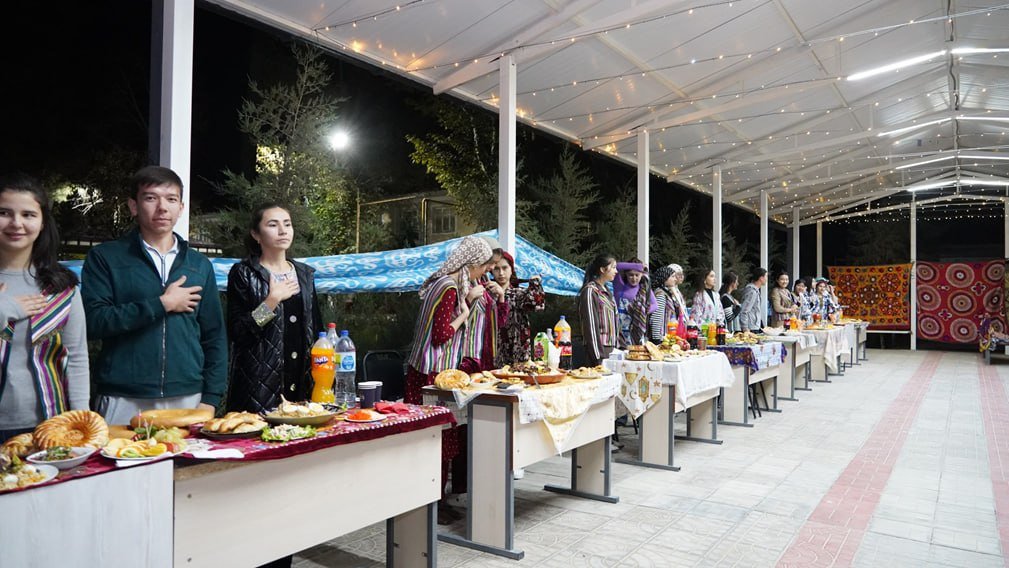
Beyond individual events, the university supports women's development through the Qizlarjon and Lider qizlar student clubs, which provide institutional platforms for leadership engagement, communication skills, personal development and peer interaction. These activities are coordinated with the Women's Advisory Council and faculty representatives, creating opportunities for female students to engage with experienced mentors and participate in activities that strengthen social and professional competencies.
The university's mentoring framework also recognises the particular challenges experienced by female students from economically disadvantaged households, students with disabilities and women balancing academic commitments with family responsibilities. Faculty mentors, tutors and Women's Advisory Council representatives provide guidance on educational difficulties, available institutional assistance and personal development opportunities. These arrangements complement the university's wider financial assistance, psychological support and gender equality initiatives, contributing to an educational environment in which women can pursue academic goals with appropriate institutional support.
An important characteristic of Termiz State University's approach is the integration of mentoring into its established academic and student welfare structures. Rather than limiting women's professional development to occasional awareness activities, the university maintains institutional mechanisms through which female students can engage with academic mentors, participate in specialist training, develop leadership competencies and establish professional connections.
The combination of academic supervision, research development, entrepreneurship mentoring, leadership guidance and peer-support activities demonstrates the university's commitment to strengthening women's participation across different stages of higher education. These opportunities support academic continuity, encourage involvement in scientific and professional activities and contribute to preparing female graduates for leadership and employment.
Through its institutional mentoring schemes, Termiz State University advances Sustainable Development Goal 5: Gender Equality by expanding women's access to professional guidance, promoting academic and career advancement and strengthening opportunities for female leadership and economic empowerment. The university's continuing commitment to mentoring recognises that meaningful gender equality depends not only on access to education but also on sustained opportunities for women to develop their potential and achieve their academic and professional aspirations.