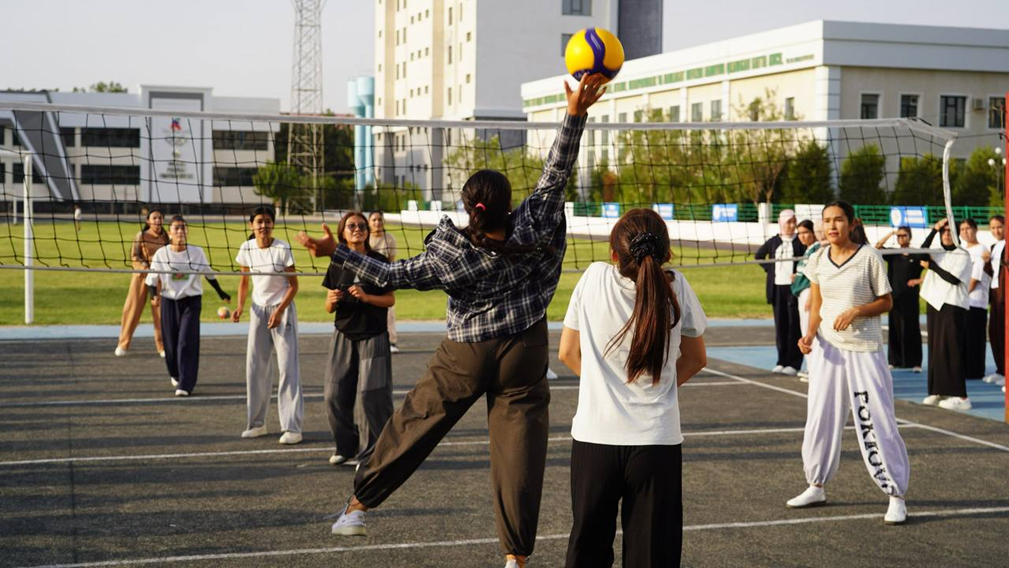
Termez State University maintains an institutional commitment to promoting public health, physical activity and social inclusion by extending access to its sports infrastructure beyond the university community. Throughout 2025, the university provided opportunities for residents of neighbouring mahallas, local young people and community sports groups to use university sports facilities free of charge. This approach reflects the university's understanding of physical education and recreational infrastructure as a shared community resource, supporting healthier lifestyles and reducing inequalities in access to organised sporting activities.
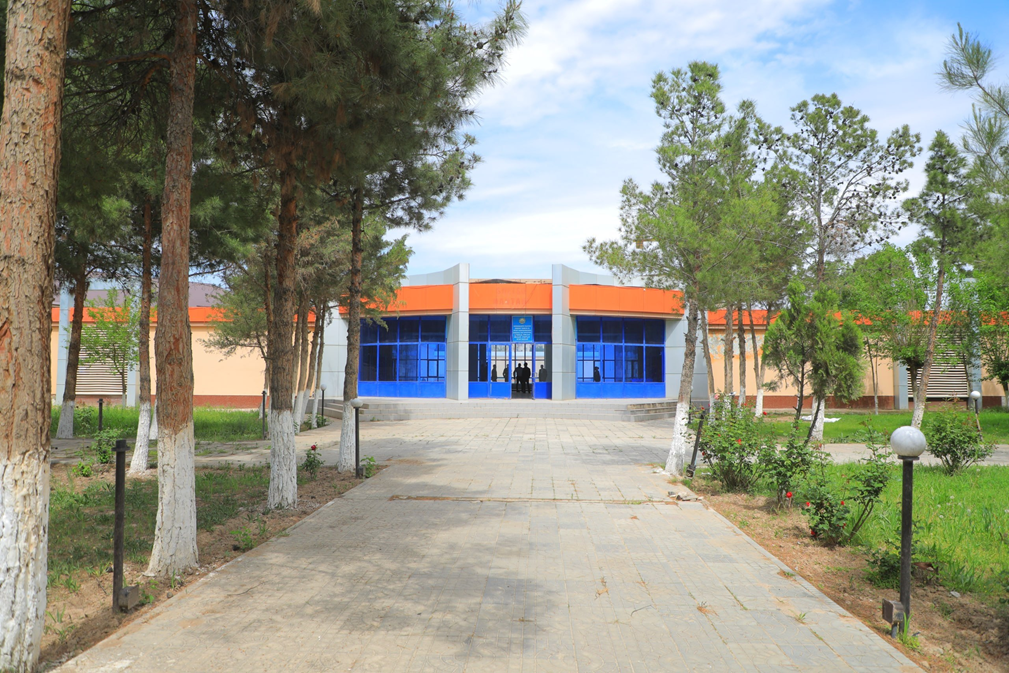
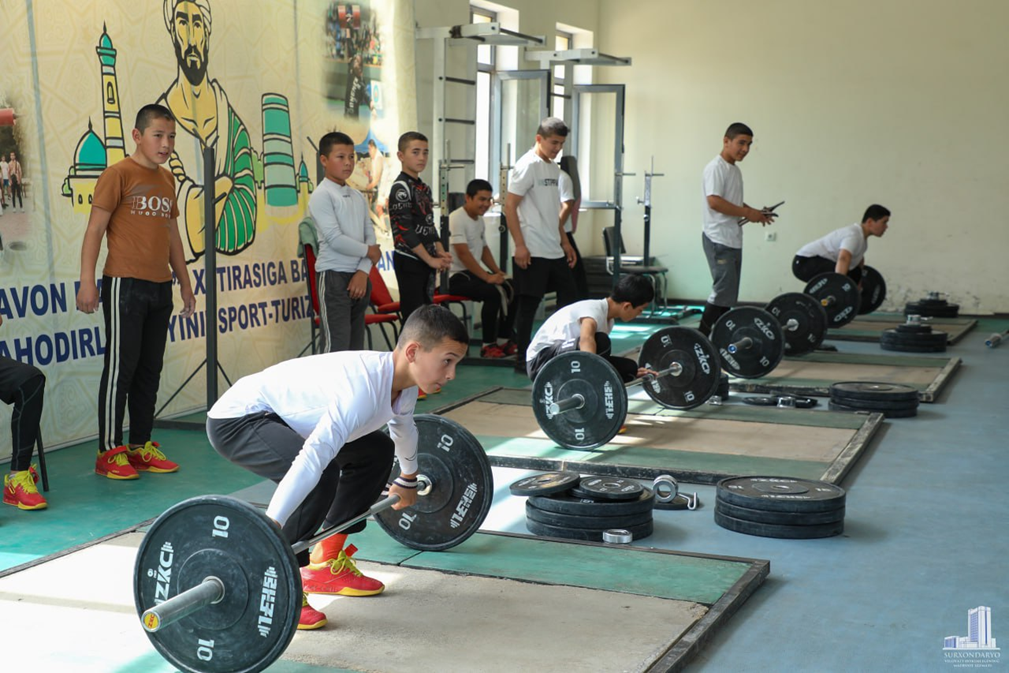
The university's sports infrastructure encompasses a range of indoor and outdoor facilities designed to accommodate diverse recreational and physical development needs. These include football stadiums, volleyball and basketball courts, tennis facilities, athletics areas, wrestling and boxing halls, fitness spaces and facilities for table tennis and other sporting disciplines. Free access to designated university sports facilities is extended to young people from surrounding neighbourhoods, allowing individuals who are not enrolled at the university to participate in physical training, recreational activities and organised sports programmes.
A defining feature of this arrangement is the university's provision of regular community access rather than restricting external participation to occasional sporting events. Sports grounds and selected indoor facilities are made available to neighbourhood youth outside scheduled academic activities, including during university holidays and designated evening periods. Floodlighting enables activities to continue until 22:00, extending recreational opportunities for individuals whose educational or employment commitments limit participation during daytime hours. Free sports clubs provide an additional mechanism through which community members can engage in structured physical activity.
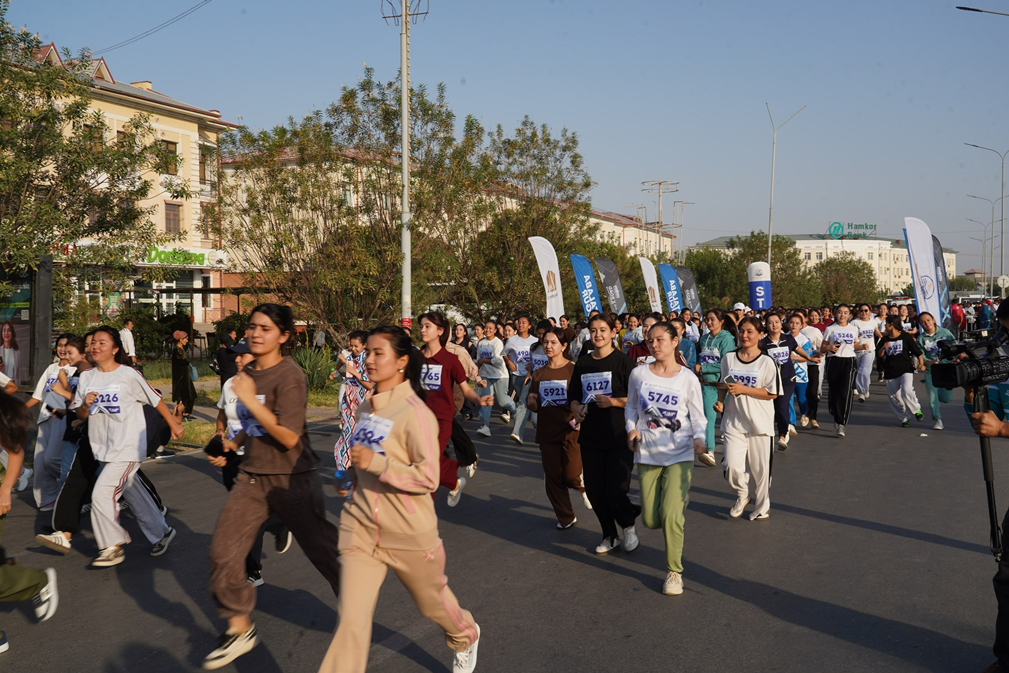
The university's commitment to community participation was demonstrated through its 2025 Sports Month initiatives, which brought together university students, employees and young people from surrounding neighbourhoods. On 7 May 2025, local youth participated in collective jogging, physical exercises and fitness activities at the university stadium. The programme encouraged regular physical activity while facilitating interaction between the university and the communities it serves.
Community access was further promoted through the Dolzarb 90 kun (90 Productive Days) initiative. On 14 August 2025, approximately 100 young people from neighbourhoods in Termez city and the surrounding Termez and Muzrabot districts participated in a football competition organised by the university. The event combined organised physical exercise with the promotion of healthy lifestyles, teamwork and constructive leisure activities. By welcoming participants from several neighbouring communities, the programme demonstrated the university's capacity to use its sporting resources for wider public benefit.
The development of sports infrastructure remained an institutional priority during 2025. The university expanded its recreational capacity through improvements to existing stadium facilities and the introduction of additional sporting spaces. In October 2025, a modern tennis court and fitness club were inaugurated, strengthening the university's facilities for physical training and recreational participation. These developments complemented the existing stadium, sports complexes and outdoor playing fields, supporting the continued expansion of opportunities for physical activity.
Community-oriented sports provision is reinforced through the university's cooperation with local neighbourhood organisations and its established sports clubs. Activities involving football, volleyball, basketball, athletics and traditional Uzbek wrestling create opportunities for young people to develop physical fitness, teamwork, discipline and interpersonal relationships. The university's approach also seeks to encourage participation among individuals from economically disadvantaged households by reducing the cost of accessing organised sporting activities.
The availability of free sporting opportunities contributes to social inclusion by reducing financial barriers to physical recreation. For young people with limited access to private fitness centres or commercial sports facilities, university-based activities provide an alternative environment for regular exercise, social engagement and personal development. These opportunities are particularly relevant to community health promotion, as sustained physical activity supports physical fitness, psychological well-being and healthier everyday habits.
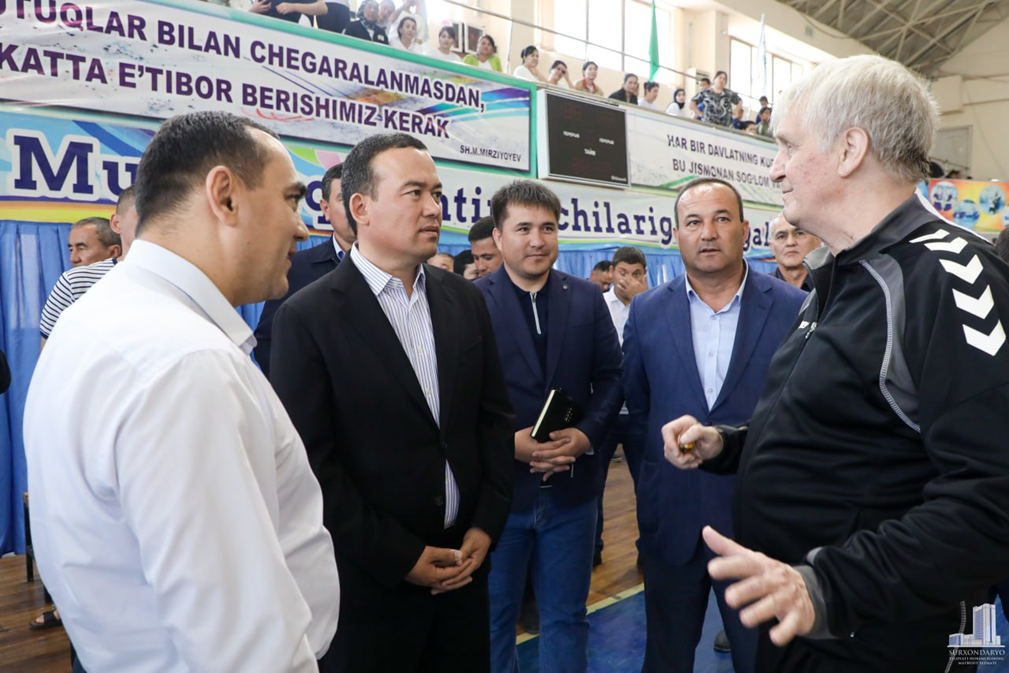
By sharing its sports infrastructure with the surrounding community, Termiz State University extends the public value of its educational and recreational resources beyond conventional teaching and research. The integration of freely accessible facilities, organised community activities and continuing improvements to sports infrastructure demonstrates a sustained institutional approach to promoting physical activity and inclusive community participation.
Through these initiatives, Termez State University contributes directly to Sustainable Development Goal 3: Good Health and Well-being, strengthening community access to recreational facilities, promoting active lifestyles and supporting equitable opportunities for participation in sport. Its commitment to shared sports infrastructure reinforces the university's role as a regional institution advancing public well-being, community engagement and healthier living environments.