Termez State University maintains an institutional approach to promoting students' sexual and reproductive health through preventive healthcare education, engagement with qualified medical specialists and access to university-based healthcare infrastructure. Recognising reproductive health as an essential component of physical well-being, personal development and informed decision-making, the university integrates health education with student welfare initiatives and cooperation with regional healthcare institutions. Particular attention is directed towards female students, whose reproductive health needs are addressed through specialist-led educational activities, medical awareness programmes and opportunities for direct interaction with healthcare professionals.
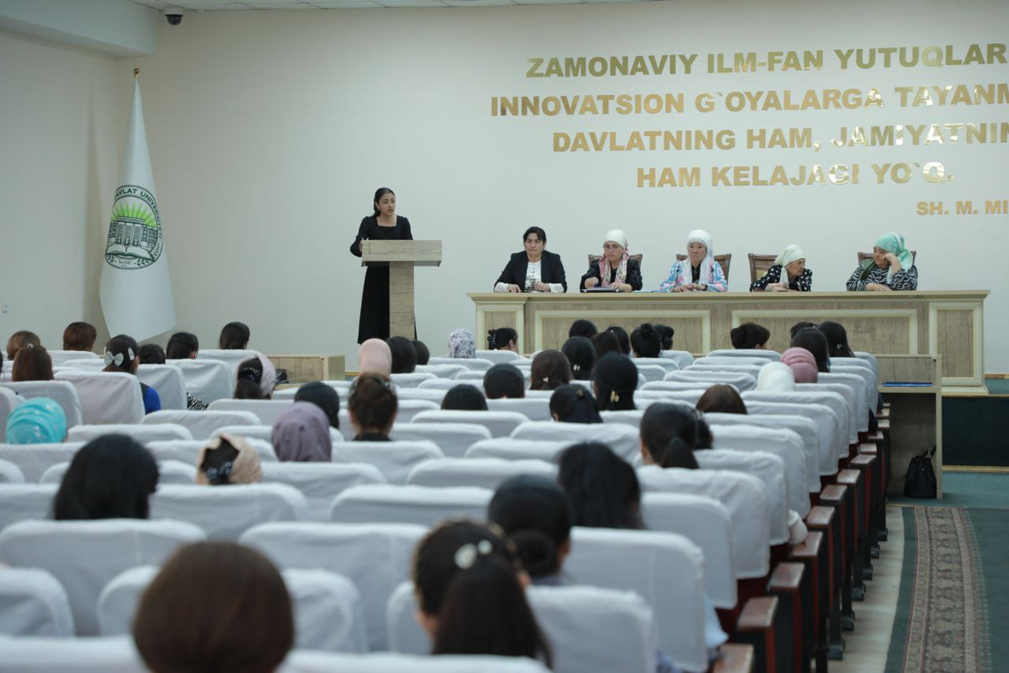
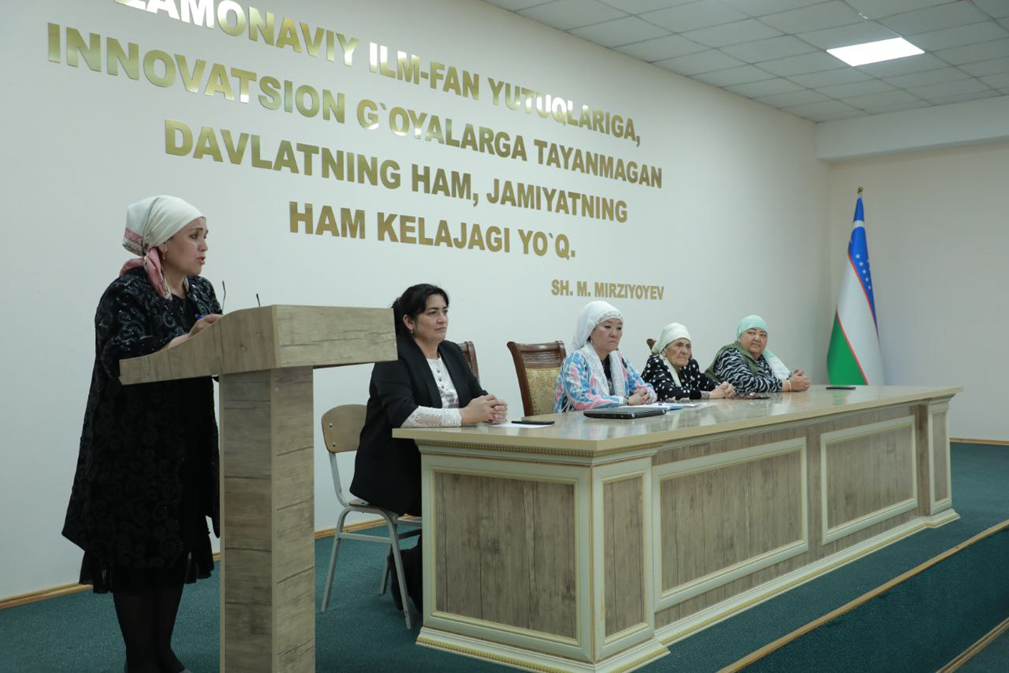
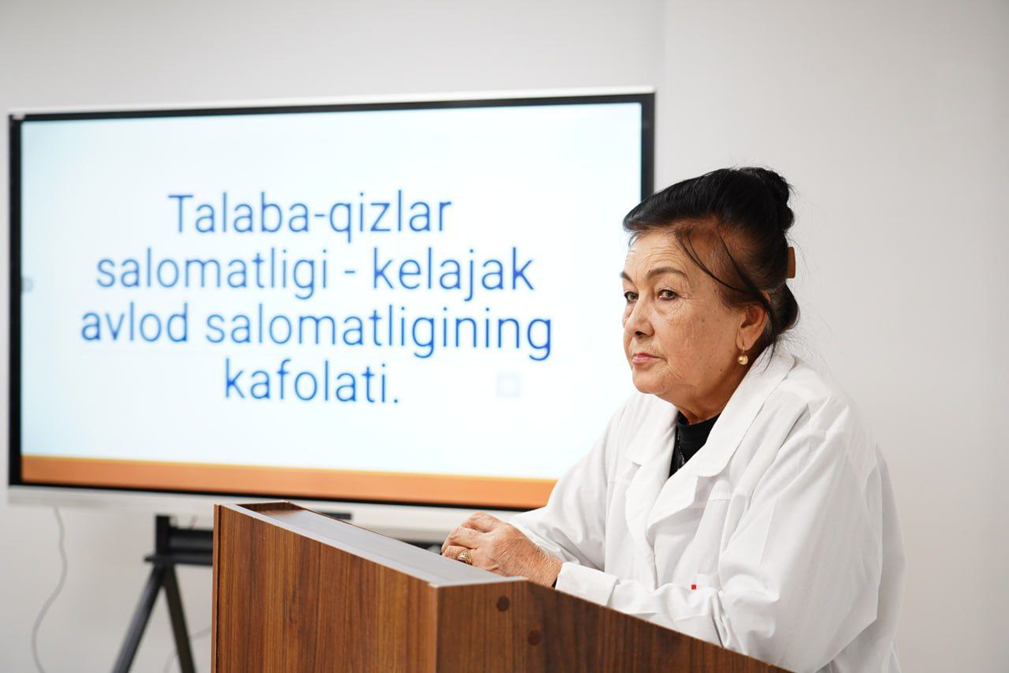
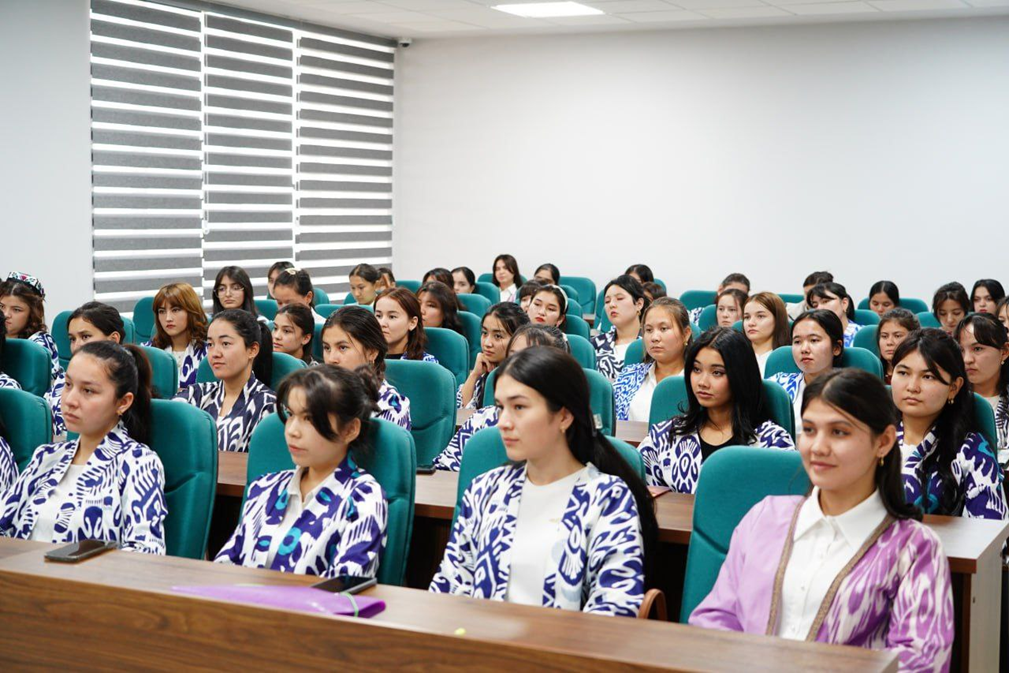
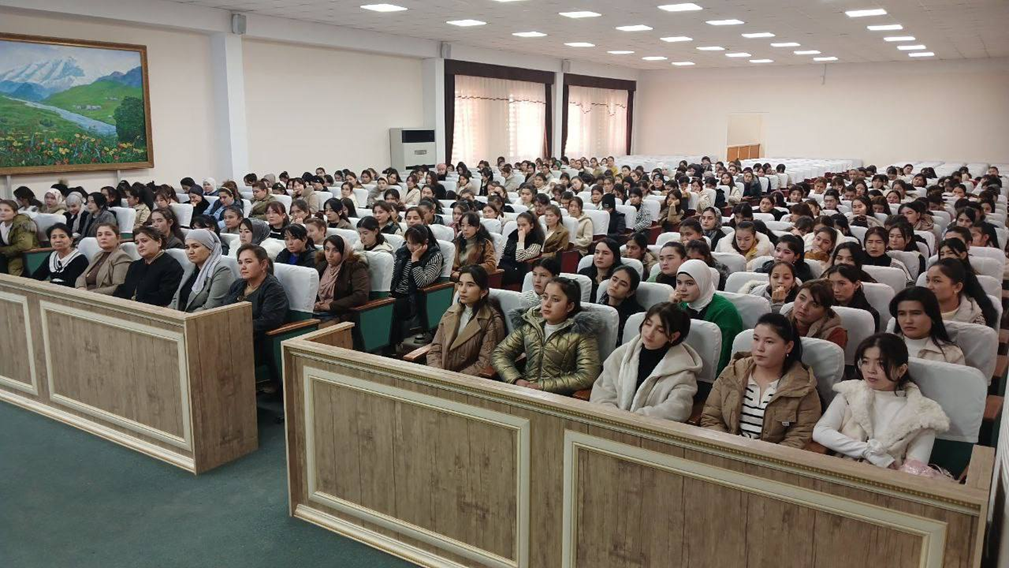
During 2025, the university strengthened its reproductive health education initiatives through cooperation with Termez City Multidisciplinary Central Polyclinic and its Women's Council. On 23 October 2025, a dedicated educational meeting entitled Student Women's Health - The Foundation of Future Generations' Well-being brought together female students, university representatives and a practising medical professional. The programme addressed personal hygiene, healthy lifestyles, the importance of regular medical examinations and responsible motherhood. Students were provided with opportunities to raise questions and receive professional medical guidance, strengthening their understanding of preventive healthcare and the importance of informed reproductive health decisions.
The university's approach to reproductive health education is reinforced by its established engagement with the Surkhandarya Regional Reproductive Health Centre and specialists in obstetrics and gynaecology. Earlier educational initiatives involving the centre's medical professionals, including gynaecologist M. Hamidova, addressed reproductive health protection, preparation for family life, gender equality and the importance of maintaining healthy lifestyles. These activities established a foundation for continued institutional engagement with medical specialists and demonstrated the value of professional healthcare expertise in improving reproductive health literacy among university students.
The university also addresses the social and educational dimensions of reproductive well-being through its Women's Council and student-support activities. In January 2025, the university organised an educational meeting involving married students and women from the wider community, focusing on family relationships, preparation for motherhood, family well-being and challenges affecting young families. Participants were encouraged to discuss personal concerns and received practical guidance. Such initiatives complement reproductive health education by promoting informed choices, strengthening awareness of family-related responsibilities and providing supportive environments for discussing issues affecting students' personal well-being.
Sexual health education and infectious disease prevention represent another important component of the university's student healthcare initiatives. On 5 November 2025, medical specialists from the Surkhandarya Regional AIDS Prevention Centre conducted an educational programme for students of the Faculty of Economics, together with tutors and university representatives. The programme addressed HIV/AIDS prevention, health awareness and responsible approaches to protecting personal health. Engagement with specialist medical professionals enabled students to obtain reliable information about infectious disease prevention and strengthen their understanding of sexual health risks and preventive behaviour.
These educational initiatives are complemented by the university's established medical service infrastructure. The university maintains an on-campus medical point providing primary medical assistance, preventive healthcare supervision and general health consultations. Its medical arrangements are supported by established relationships with regional healthcare institutions, including Termez City Multidisciplinary Central Hospital and other specialised medical providers. This infrastructure contributes to the university's broader capacity to identify students' healthcare needs and facilitate access to appropriate medical expertise.
The scale of institutional healthcare provision is reflected in the university's wider preventive health activities. During 2025, medical examinations covered 16,498 students and employees, representing approximately 85% of the registered university population. The university's emergency medical service provided first aid to a further 3,298 individuals, including students, staff and applicants participating in university activities. These figures demonstrate the broader operational capacity of student healthcare services, although they represent general medical activity rather than reproductive-health consultations specifically.
Termiz State University's approach to sexual and reproductive health emphasises the importance of combining medical information, preventive education and institutional healthcare support. Its cooperation with professional clinicians, reproductive health specialists and public health organisations strengthens students' access to reliable medical knowledge while encouraging timely health-seeking behaviour. The active involvement of the Women's Council further promotes an educational environment in which reproductive health, personal hygiene and family well-being can be addressed through informed and respectful dialogue.
By integrating specialist-led reproductive health education, HIV/AIDS prevention activities, women's health awareness and established medical support infrastructure, Termez State University contributes to Sustainable Development Goal 3: Good Health and Well-being. These initiatives strengthen students' health literacy, encourage responsible reproductive health decisions and reinforce the university's commitment to protecting the physical and social well-being of its student community.