Termez State University maintains a comprehensive institutional framework for protecting the mental health and psychological well-being of its academic, administrative and support staff. Recognising that employee well-being is fundamental to educational quality, professional effectiveness and organisational sustainability, the university integrates professional psychological counselling, preventive mental-health education, stress-management activities and accessible support services into its institutional welfare system. These measures seek to establish a supportive working environment in which employees can address psychological difficulties, strengthen emotional resilience and maintain a healthy balance between their professional responsibilities and personal lives.
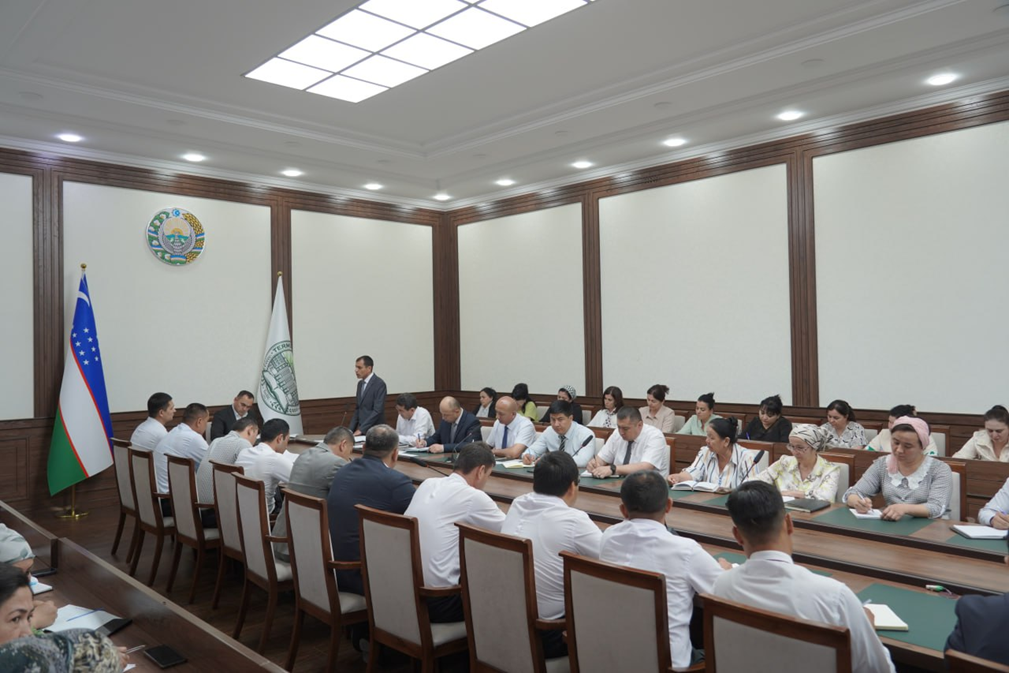
A significant institutional development occurred on 8 May 2025 with the establishment of the Psychological Services Centre, following a university management meeting chaired by Rector A. Toshqulov on 28 April 2025. The centre was established to strengthen psychological stability among students, professors, teaching personnel and administrative employees while improving the university's overall psychosocial environment. Its creation formalised institutional arrangements for providing professional mental-health assistance and strengthened the integration of psychological well-being into university management and employee support.
All university employees have access to free psychological counselling and individual support consultations through the institutional psychological service. The centre provides individual and group counselling, psychological assessments, preventive interventions, professional guidance and psychological training. Employees experiencing occupational stress, emotional difficulties, family-related challenges, interpersonal conflicts or pressures associated with their professional responsibilities can seek assistance from qualified psychological specialists without incurring consultation fees. This provision reduces financial barriers to mental-health support and promotes more equitable access to professional assistance across different categories of university personnel.
The university's psychological service infrastructure includes a team of 13 qualified psychologists, strengthening its capacity to address diverse psychological and emotional support needs. Alongside face-to-face consultations, the service framework incorporates online psychological counselling and digital rapid-support arrangements, extending opportunities for employees to seek guidance through different communication channels. These services are intended to facilitate timely psychological intervention, support employees experiencing difficulties and promote greater awareness of mental-health resources within the university community.
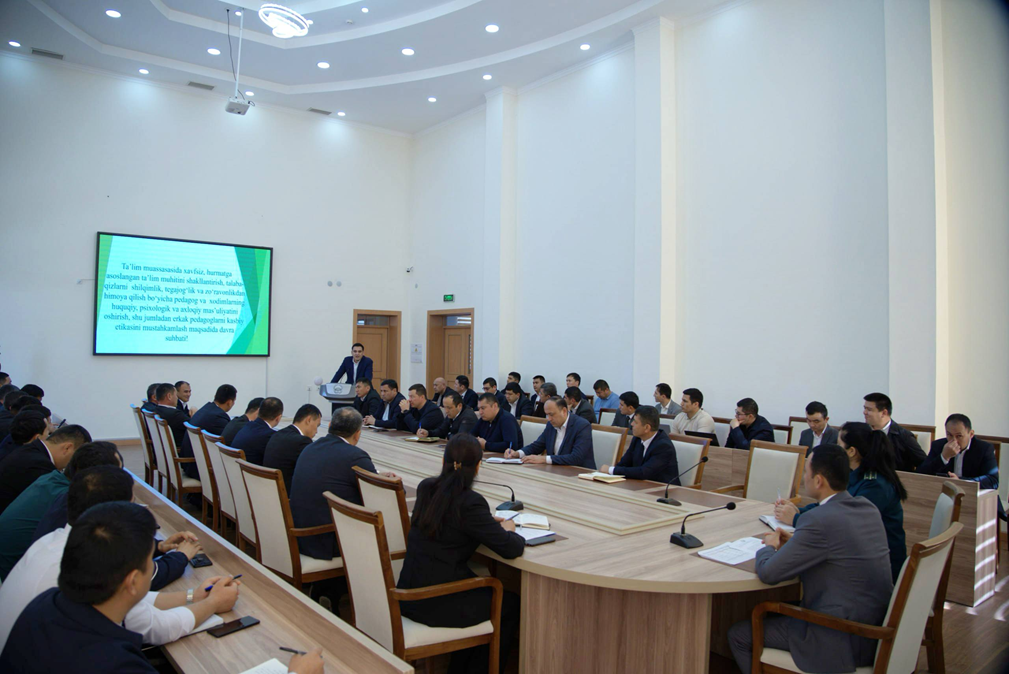
Preventive psychological education represents an important component of the university's employee well-being strategy. Throughout 2025, the institution strengthened its focus on psychological resilience, stress prevention, emotional self-regulation and healthy interpersonal relationships. The involvement of professional psychologists and academic specialists in preventive educational activities supports the development of practical coping strategies and encourages employees to recognise and address psychological difficulties before they adversely affect their professional and personal well-being.
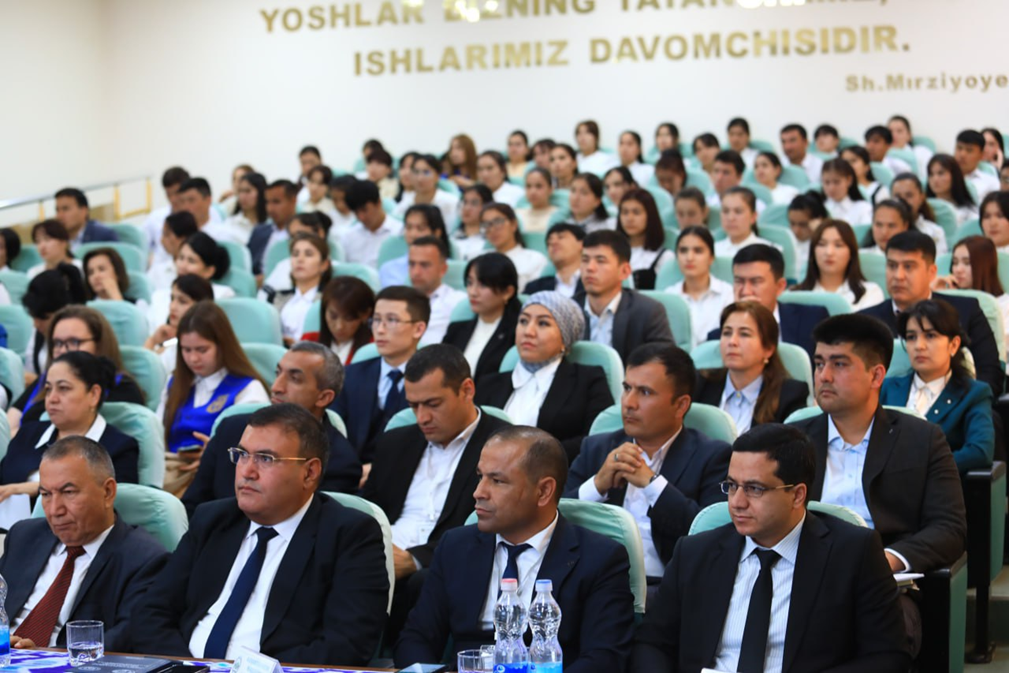
On 19 March 2025, the university's psychological service contributed to a Navro‘z-related well-being initiative involving professors, teaching personnel and students. The activity promoted positive emotional experiences, social interaction and a supportive institutional atmosphere. Such initiatives complement professional psychological counselling by strengthening social connections and encouraging constructive engagement among university community members.
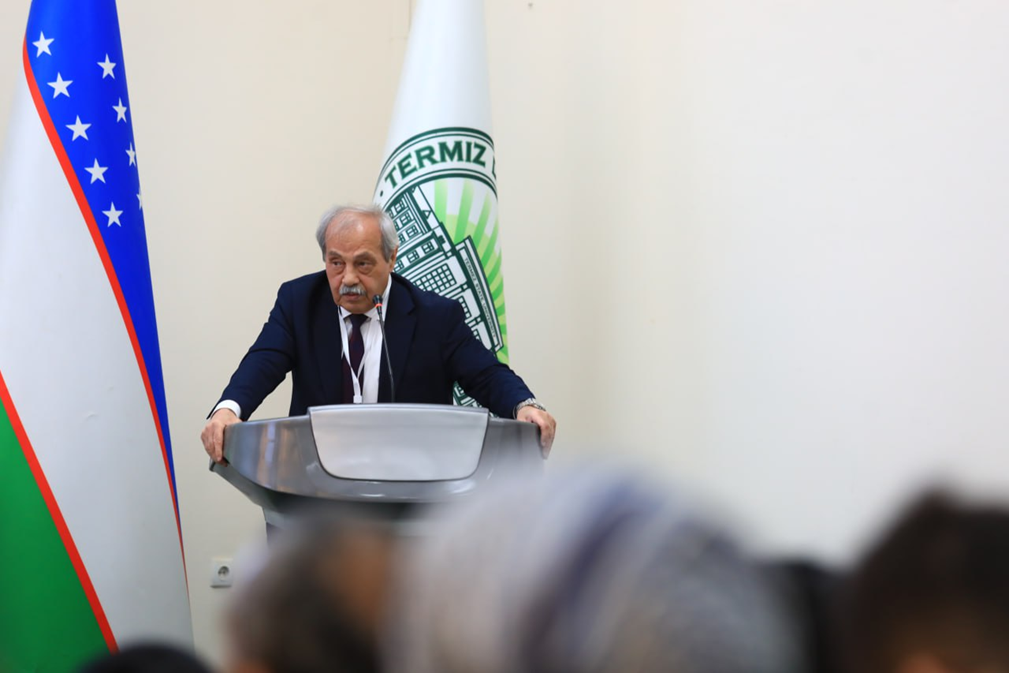
The university's contribution to occupational psychological well-being was reinforced through a 20 November 2025 seminar on Psychological Methods for Preventing Stress, organised with representatives of regional law-enforcement and security institutions. The programme brought together professional psychologists, university academic personnel and specialists working in demanding professional environments. Senior lecturer O‘tkir Jo‘rayev of the university's Psychology Department contributed psychological expertise to discussions on stress prevention and professional psychological preparedness. The initiative strengthened interdisciplinary engagement on occupational stress and demonstrated the university's participation in preventive mental-health education for working professionals.
The institutional approach to employee well-being also recognises the importance of physical recreation, healthcare access and restorative environments. University employees benefit from established medical and recreational infrastructure, including opportunities for health-related recreation at the university's Darband facility in Boysun District. The university also supports employees' access to health-restoration and recreational facilities. These complementary provisions contribute to a broader organisational environment that recognises the interconnected nature of physical health, psychological resilience and workplace well-being.
A defining characteristic of Termiz State University's mental-health support framework is its inclusion of different employment categories within a shared institutional service. Academic staff, administrative personnel and other university employees are eligible for psychological assistance, ensuring that support is not restricted to students or teaching professionals. By combining individual counselling with group activities, psychological assessment, preventive training and opportunities for professional consultation, the university establishes multiple pathways through which employees can access appropriate assistance.
The availability of free professional psychological support is especially important in a higher education environment characterised by teaching responsibilities, research demands, administrative obligations and continuous institutional development. The university's approach recognises that psychological well-being influences not only individual quality of life but also workplace relationships, professional engagement and the sustainability of educational activities. Sustained institutional investment in psychological assistance therefore contributes to creating more supportive working conditions and strengthening the university's capacity to respond to employees' mental-health needs.
Through its Psychological Services Centre, free counselling arrangements, qualified specialists and preventive well-being initiatives, Termiz State University advances Sustainable Development Goal 3: Good Health and Well-being. Its institutional commitment reflects the recognition that protecting employees' psychological health is an essential responsibility of a socially sustainable university, contributing to healthier working environments, greater organisational resilience and improved quality of life among university personnel.